
Make disability awareness easier to act on
Uses the social model
The training helps teams spot barriers in environments, systems and communication.
Covers respectful conversations
We address access needs, privacy, support and individual preferences with care.
Grounded in work scenarios
Examples connect awareness to meetings, facilities and digital information.
Build understanding that changes day-to-day behaviour
Disability awareness is most useful when people can see how everyday systems and attitudes create barriers. We use this training to cover visible and non-visible disabilities, respectful language and the social model of disability in practical workplace terms.
With Neurodiversity Talks, your team can move from general concern to clearer thinking about access, privacy, support and the part colleagues play in making work more inclusive.
Connect awareness to practical workplace access
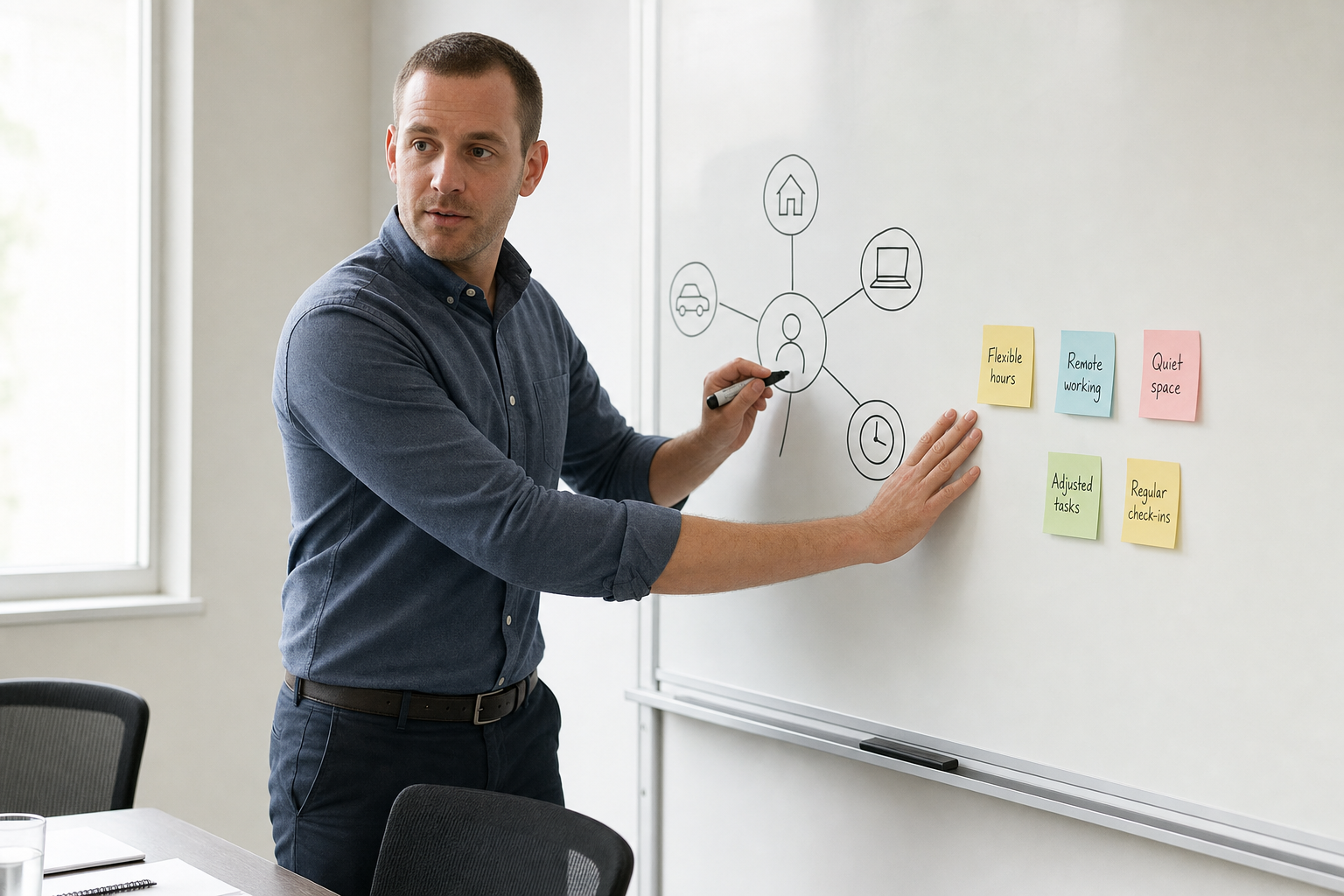
We use workplace scenarios to look at assumptions, exclusionary behaviour and the changes that make a real difference.
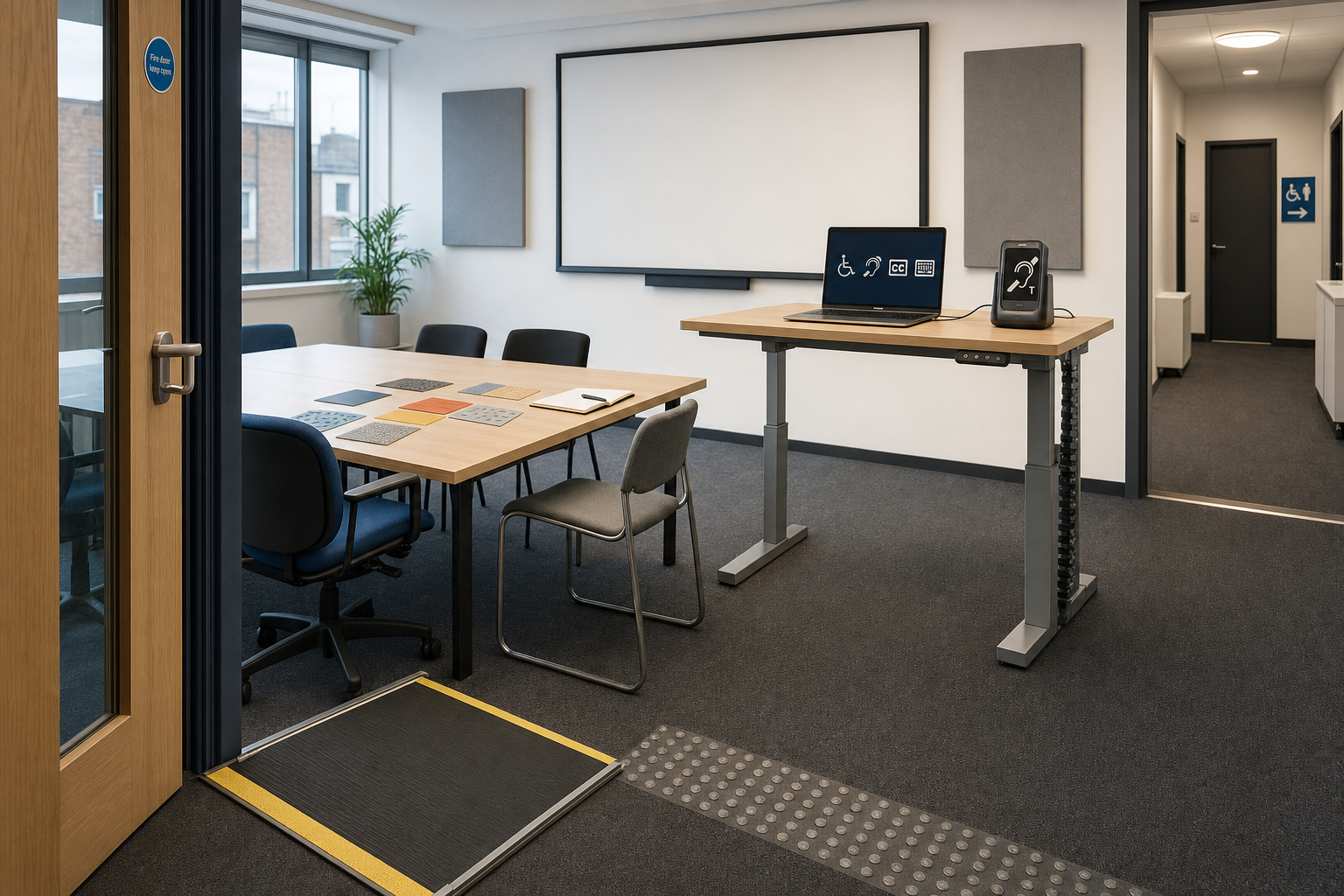
Choosing Neurodiversity Talks means the discussion can move into communication, meetings, facilities, digital information and working arrangements, rather than stopping at broad principles. In London, this helps organisations turn a sensitive topic into useful everyday practice.
Frequently asked questions
What does disability awareness training cover?
We cover visible and non-visible disabilities, respectful language, the social model of disability and the kinds of barriers workplace systems or attitudes can create. We then connect that understanding to day-to-day team behaviour and access practice.
Will the session address non-visible disability?
Yes. That is an important part of the training because many workplace assumptions are shaped by what people think disability should look like. We discuss how to approach conversations, privacy and support needs more thoughtfully.
How practical is the training?
It is designed to be practical. We use workplace situations to explore meetings, communication, facilities, digital information and working arrangements, so participants leave with a clearer sense of what accessible practice looks like in real life.